
Preparation: What You Need Before Opening a Bank Account
Successful bank account opening begins with proper preparation. Gathering the right documents and understanding your options will streamline the process and help you avoid unnecessary delays.
Required Documents Checklist
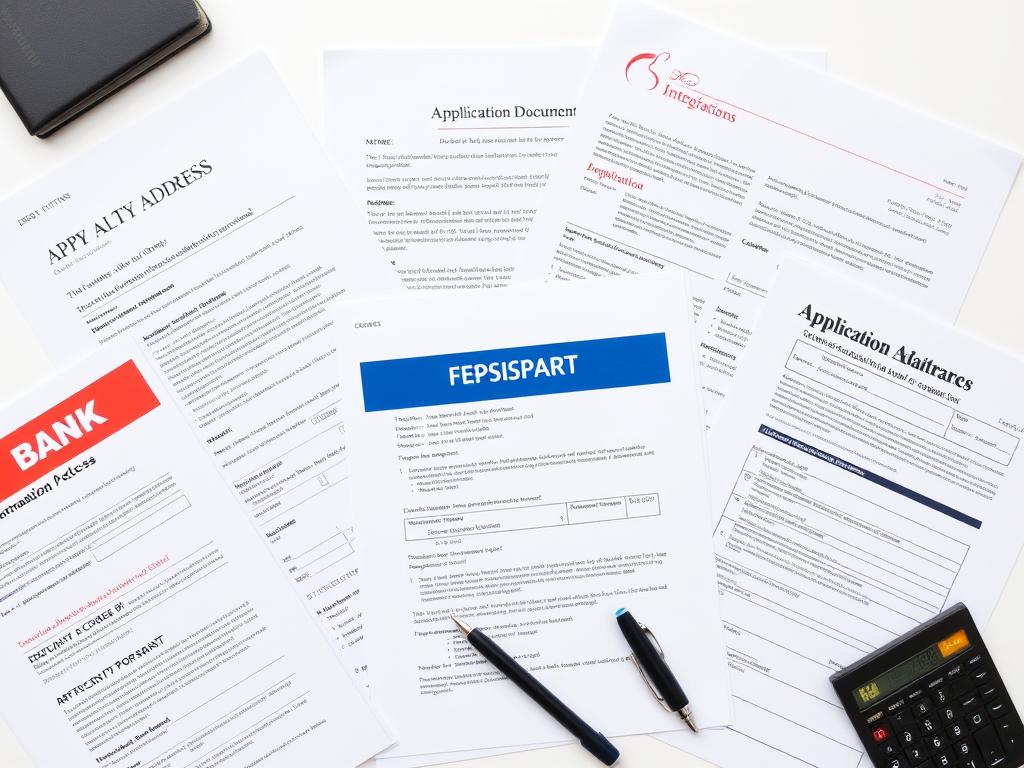
Essential documents needed for bank account opening
Personal Account Documents
- Valid government-issued photo ID (passport, driver’s license, or national ID card)
- Proof of address (utility bill, rental agreement, or bank statement from the last 3 months)
- Social security number or tax identification number
- Initial deposit (amount varies by bank and account type)
- Contact information (phone number, email address)
Business Account Additional Documents
- Business registration certificate or certificate of incorporation
- Business license
- Tax identification number for the business
- Articles of association or partnership agreement
- Board resolution authorizing account opening
- Identification documents for all signatories and beneficial owners
Types of Bank Accounts
Understanding the different types of accounts will help you choose the one that best fits your financial needs and goals.
Checking Accounts
Designed for everyday transactions, these accounts typically offer unlimited withdrawals and deposits, debit cards, and check-writing capabilities. They usually have lower interest rates but provide convenient access to your money.
Savings Accounts
Ideal for setting aside money, these accounts offer higher interest rates than checking accounts but may limit monthly transactions. They’re perfect for emergency funds or saving toward specific goals.
Business Accounts
Specifically designed for business operations, these accounts separate personal and business finances. They often include features like multiple user access, merchant services, and business credit cards.
Eligibility Criteria
Banks have specific requirements that applicants must meet before opening an account. These criteria vary depending on the bank, account type, and your location.
| Account Type | Age Requirement | Residency Status | Minimum Deposit | Credit Check |
| Basic Checking | 18+ (16+ with guardian) | Local residency often required | $0-$100 | Soft check (ChexSystems) |
| Premium Checking | 18+ | Local residency required | $1,000-$5,000 | Yes |
| Savings Account | Any (minors with guardian) | Local residency often required | $25-$300 | No |
| Business Account | 18+ | Business registration in country | $500-$2,500 | Yes (business & personal) |
The Bank Account Opening Process
Once you’ve gathered all necessary documents and determined the type of account you need, it’s time to begin the application process. You generally have two options: applying online or visiting a branch in person.
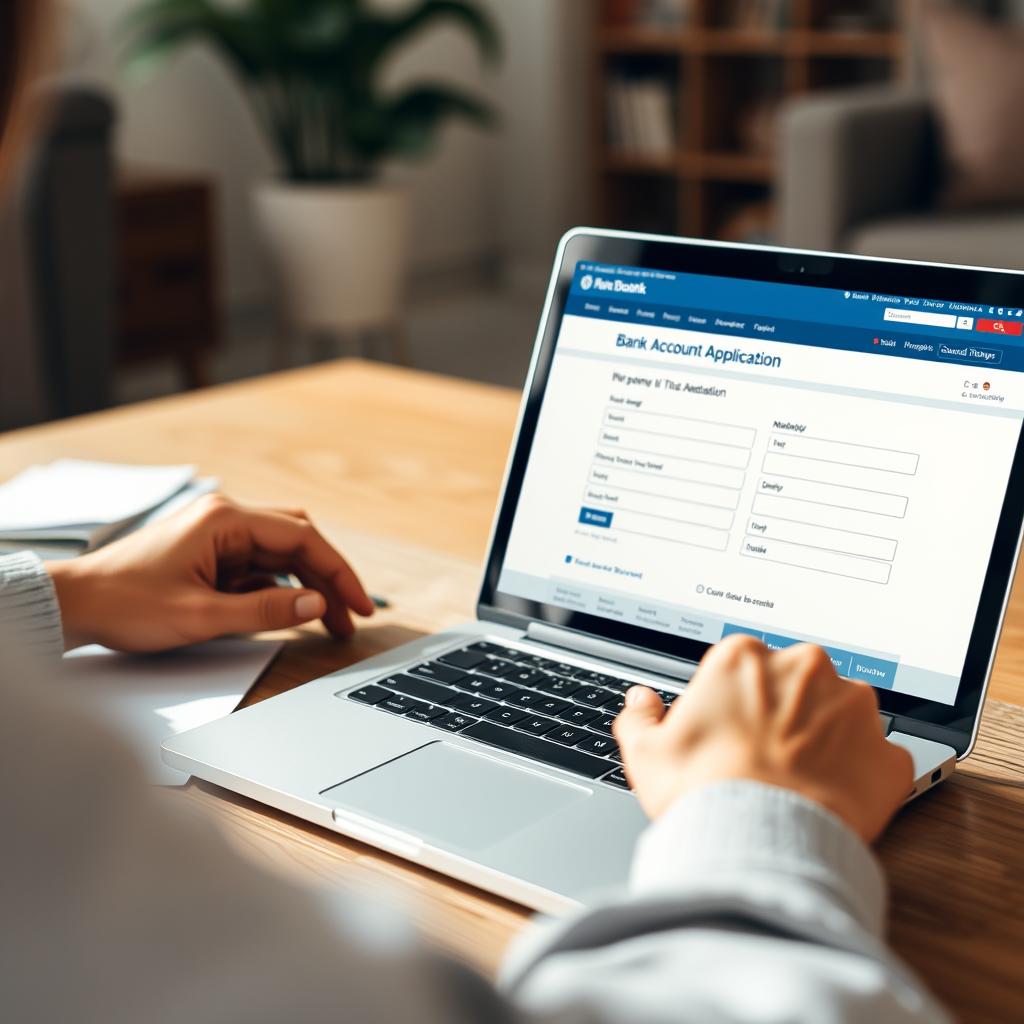
Online vs. In-Person Application
Online Application Benefits
- Convenience: Apply anytime, anywhere
- Speed: Often faster processing times
- Comparison: Easily compare multiple banks
- Digital documentation: Upload documents electronically
- Special online-only offers and rates
In-Person Application Benefits
- Personal guidance from bank representatives
- Immediate clarification of questions
- Assistance with complex applications
- Same-day account activation (sometimes)
- Building relationship with local branch
Step-by-Step Application Process
- Choose a bank and account type based on your needs, fees, features, and convenience.
- Gather all required documents according to the bank’s specifications and your account type.
- Complete the application form with accurate personal information, contact details, and identification numbers.
- Submit your application and documents either online or at a branch location.
- Undergo verification as the bank reviews your application and confirms your identity.
- Make your initial deposit according to the minimum requirements for your chosen account.
- Receive account details including account number, online banking credentials, and debit card.
- Activate your account by following the bank’s instructions for first-time login or card activation.
Verification Process
Banks are required to verify your identity and information as part of Know Your Customer (KYC) and Anti-Money Laundering (AML) regulations. This verification process helps protect both you and the financial institution.
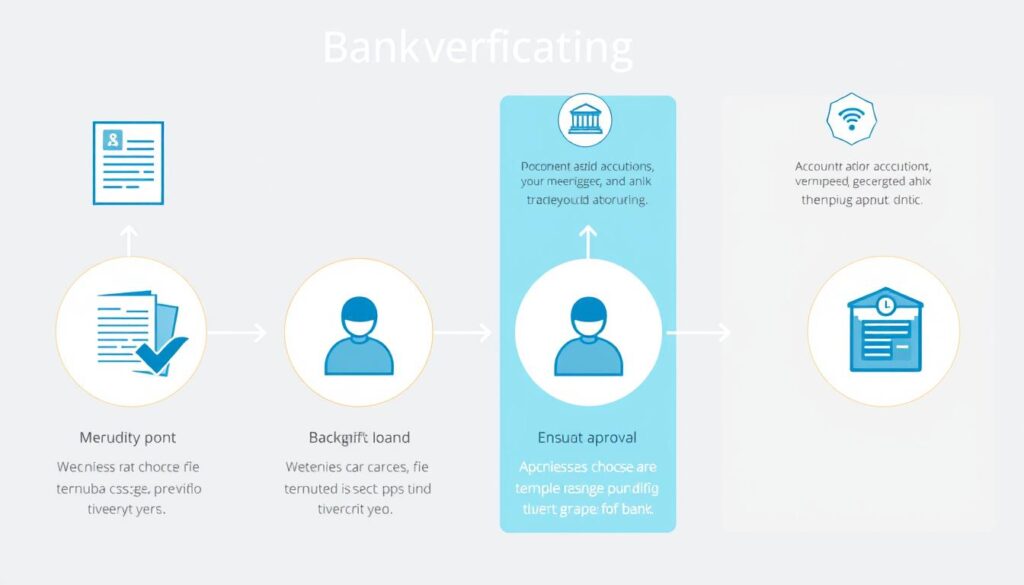
The verification process ensures security and regulatory compliance
Common Reasons for Application Rejection
Understanding potential roadblocks can help you avoid delays or denials in your application:
- Incomplete or inconsistent documentation
- Failed identity verification
- Poor banking history (e.g., ChexSystems records)
- Insufficient initial deposit
- Non-compliance with residency requirements
Bank Account Administration Tips
Once your account is open, proper management is key to maximizing benefits and avoiding unnecessary fees. Effective bank account administration involves regular monitoring, understanding features, and utilizing available tools.
Managing Your Balance
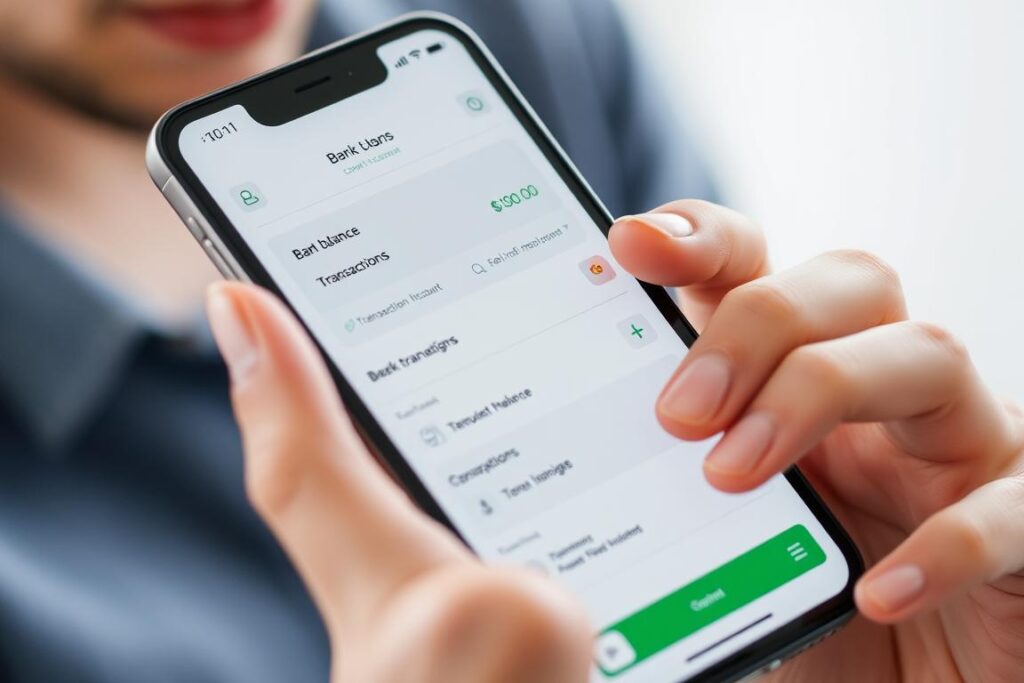
Mobile banking makes balance management convenient
Balance Management Best Practices
- Set up balance alerts to notify you when your balance falls below a certain threshold
- Maintain minimum balance requirements to avoid monthly maintenance fees
- Reconcile your account regularly by comparing your records with bank statements
- Consider overdraft protection to prevent declined transactions and hefty fees
- Link accounts for easier transfers between checking and savings
Online Banking Features
Modern banking platforms offer powerful tools to help you manage your finances efficiently. Familiarize yourself with these features to take full advantage of your account.
Account Monitoring
- Real-time balance checking
- Transaction history review
- Statement downloads
- Custom alerts and notifications
Payment Management
- Bill pay services
- Recurring payment setup
- Person-to-person transfers
- Wire transfer capabilities
Security Features
- Two-factor authentication
- Card lock/unlock functions
- Spending limits configuration
- Fraud alerts customization
Fee Avoidance Strategies
Bank fees can significantly impact your finances over time. Implementing these strategies will help you minimize or eliminate unnecessary charges.
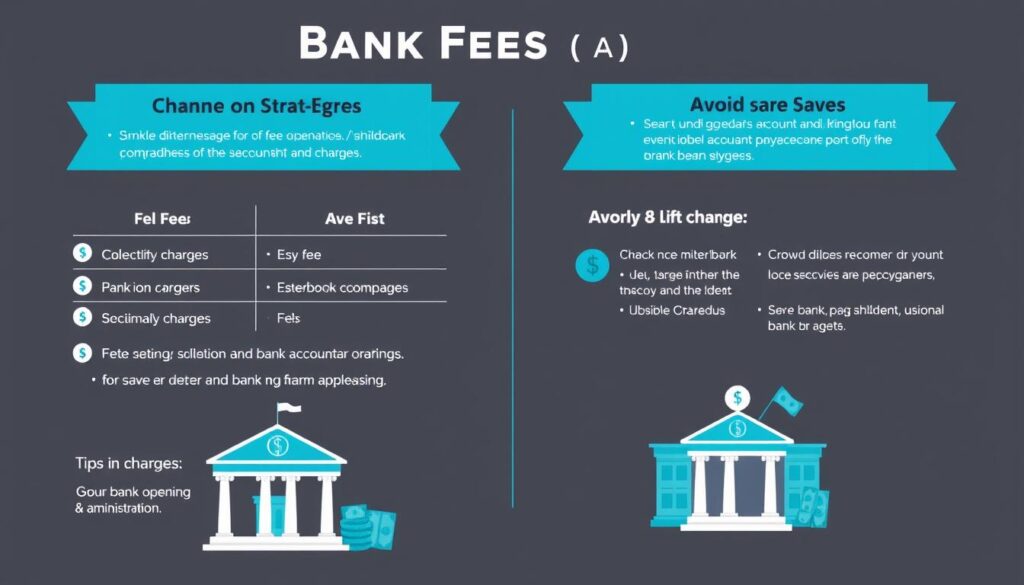
Understanding and avoiding common bank fees can save you hundreds annually
| Common Fee | Typical Cost | Avoidance Strategy |
| Monthly Maintenance | $5-$25 | Maintain minimum balance, use direct deposit, or choose fee-free accounts |
| Overdraft/NSF | $25-$38 | Set up balance alerts, link to savings, opt out of overdraft protection |
| ATM Fees | $2-$5 | Use in-network ATMs, get cash back at point of sale, choose banks with ATM fee reimbursement |
| Wire Transfer | $15-$50 | Use ACH transfers, person-to-person payment apps, or bank-specific transfer networks |
| Paper Statement | $2-$5 | Enroll in paperless statements and online banking |
Security Best Practices
Protecting your bank account from fraud and unauthorized access is essential. Implement these security measures to safeguard your finances.
- Use strong, unique passwords for your online banking accounts
- Enable two-factor authentication whenever available
- Monitor your accounts regularly for suspicious activity
- Never share account details via email, phone, or text
- Use secure networks when accessing banking information
- Set up transaction alerts to notify you of unusual activity
- Update contact information promptly to ensure you receive security alerts
Troubleshooting Common Bank Account Issues
Even with careful management, you may encounter challenges with your bank account. Knowing how to address these issues quickly can save you time, money, and frustration.

Most banking issues can be resolved with proper communication
Handling Account Freezes
Banks may freeze accounts for various reasons, including suspicious activity, legal orders, or identity verification issues. If your account is frozen:
- Contact your bank immediately to understand the reason for the freeze
- Provide any requested documentation promptly and accurately
- Follow the bank’s specific procedures for resolving the issue
- Consider alternative payment methods while your account is frozen
- Request written confirmation once the freeze is lifted
Resolving Overdraft Issues
Overdrafts occur when you spend more money than is available in your account. They can result in significant fees and negative impacts on your banking relationship.
Immediate Actions
- Deposit funds as quickly as possible
- Contact the bank to explain the situation
- Request a fee waiver (especially for first-time overdrafts)
- Stop any pending automatic payments
Prevention Strategies
- Set up low balance alerts
- Link to a savings account for overdraft protection
- Maintain a buffer amount in your account
- Track all transactions, including pending ones
Disputing Unauthorized Transactions
If you notice transactions you didn’t authorize, acting quickly is essential to protect your funds and limit your liability.

Regular account monitoring helps identify unauthorized transactions quickly
- Report the unauthorized transaction to your bank immediately (many have 24/7 fraud hotlines)
- Follow up in writing with a formal dispute letter if required
- Document all communications with the bank, including representative names and reference numbers
- Monitor your account closely for any additional suspicious activity
- Consider changing passwords and requesting a new card if fraud is confirmed
Time Sensitivity
Most banks require unauthorized transactions to be reported within 60 days of the statement date. However, reporting within 2 days of discovery can limit your liability to $50 or less under consumer protection laws.
Handling Account Closure
There may come a time when you need to close your bank account, whether you’re switching banks, moving abroad, or consolidating accounts.
Account Closure Checklist
- Open your new account first before closing the existing one
- Update direct deposits and automatic payments to the new account
- Leave sufficient funds to cover any outstanding checks or payments
- Request written confirmation of the account closure
- Destroy old checks and debit cards associated with the closed account
- Monitor your credit report to ensure the closure is properly reported
Need Help Resolving a Banking Issue?
Our banking experts can provide guidance on resolving complex account problems.
Frequently Asked Questions
Find answers to common questions about bank account opening and administration below.
Research can help answer many common banking questions
Can I open a bank account remotely without visiting a branch?
Yes, many banks now offer fully online account opening processes. You’ll need to provide electronic versions of your identification documents and may need to verify your identity through video calls or other digital verification methods. Some banks may still require an in-person visit for certain account types or in specific jurisdictions.
What’s the difference between a checking and savings account?
Checking accounts are designed for everyday transactions with unlimited withdrawals, debit card access, and check-writing capabilities. They typically earn little to no interest. Savings accounts are meant for storing money with higher interest rates but may limit monthly transactions and often don’t include check-writing privileges or debit cards.
How long does it take to open a bank account?
The timeline varies by bank and account type. Online applications can be approved within minutes to hours if all documentation is in order. In-person applications at a branch may be completed the same day. However, receiving your debit card and checks typically takes 5-10 business days. Business accounts and accounts for non-residents may take longer due to additional verification requirements.
Can I be denied a bank account? Why?
Yes, banks can deny account applications for several reasons, including: negative banking history reported in ChexSystems or Early Warning Services, insufficient identification or documentation, failure to meet minimum opening deposit requirements, non-compliance with residency requirements, or previous account abuse. Some banks offer second-chance accounts specifically for those with negative banking histories.
How do I close a bank account?
To close an account, first open a new account if needed, then transfer your remaining balance and update any automatic payments or deposits. Contact your bank (in person, by phone, or in writing) to request closure. Some banks require a signed form or letter. Obtain written confirmation of the closure and destroy any cards or checks associated with the account. Monitor your credit report to ensure proper reporting of the closure.
Have More Questions?
Our banking experts are ready to answer your specific questions about bank account opening and management.
Final Thoughts on Bank Account Opening & Administration
Managing your banking relationship effectively is an essential financial skill. By understanding the account opening process, maintaining your account properly, and knowing how to troubleshoot common issues, you can maximize the benefits of your banking relationship while minimizing fees and frustrations.

Effective bank account management is key to financial success
Remember that banks offer various tools and resources to help you manage your accounts efficiently. Take advantage of mobile apps, online banking features, and customer support when needed. Regularly review your account terms and bank communications to stay informed about any changes that might affect your banking experience.
Whether you’re opening your first account or managing multiple accounts for personal or business use, the principles of good banking remain the same: stay organized, monitor regularly, communicate proactively with your bank, and take advantage of available tools and resources.
Ready to Open or Optimize Your Bank Account?